Ultrace Germany wasn’t your typical car show. It blended car culture with museum pieces. One of the brands that stole the spotlight was Mercedes-Benz. They brought some of its Group C legends to Düsseldorf.
Under club lights and industrial backdrops stood machines built for Le Mans. The Sauber‑Mercedes C9 and C11 took center stage. They shared space with rarities like the C112 concept and the never‑raced C292.
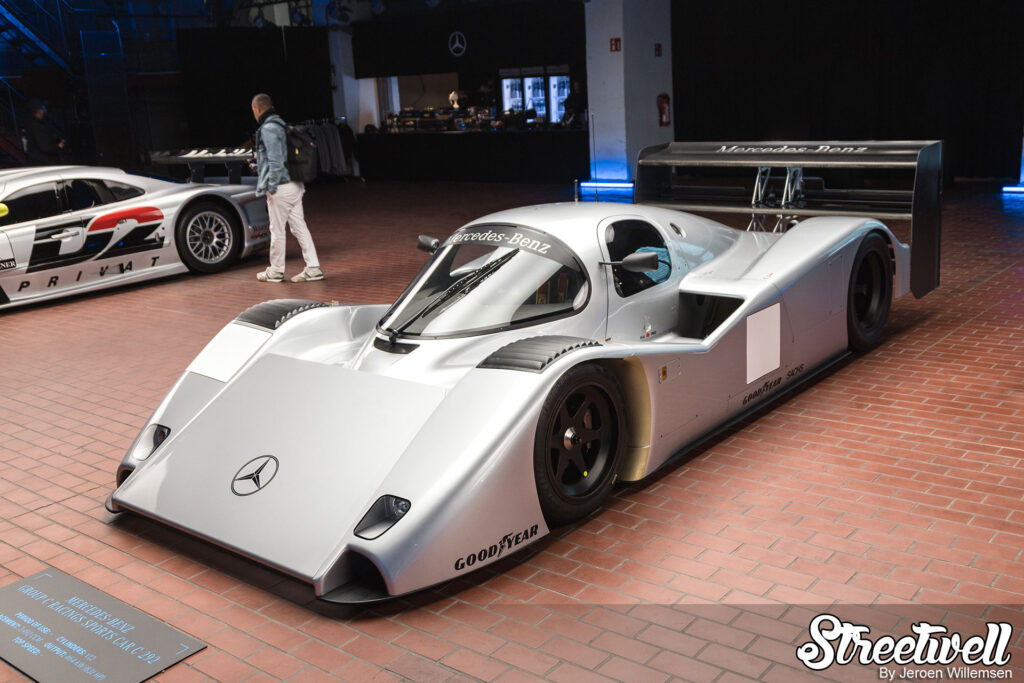
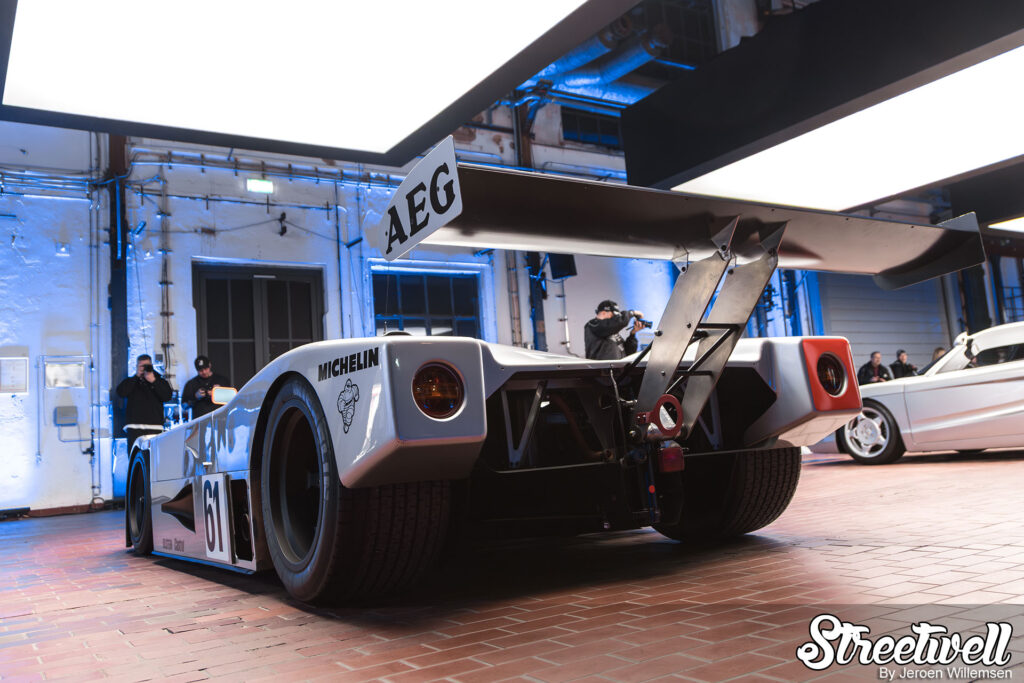
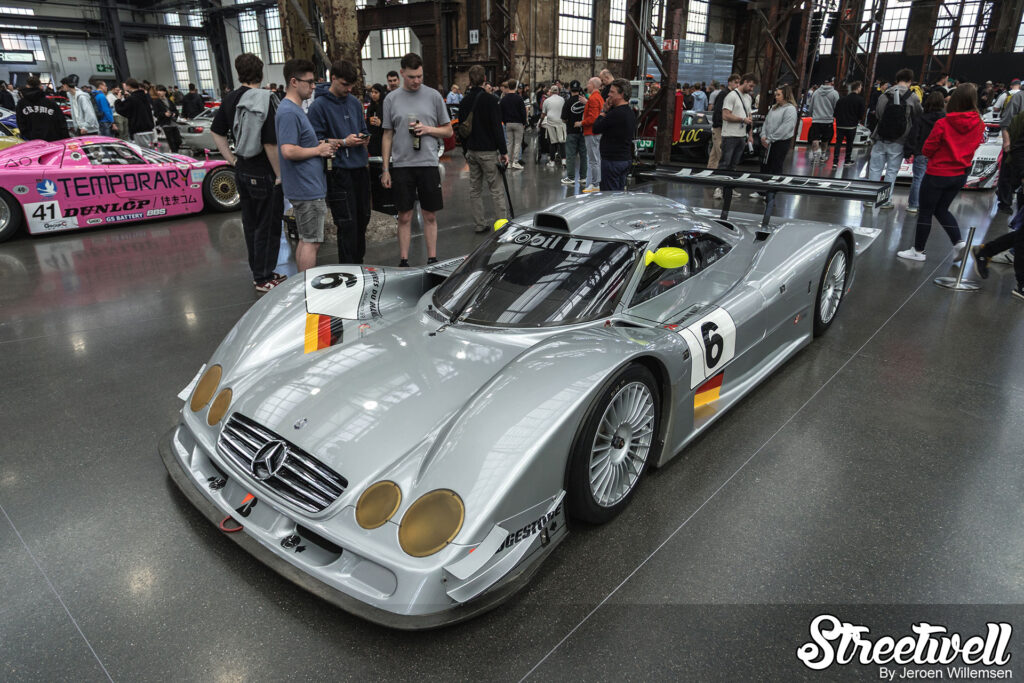
Seeing these cars outside a museum felt surreal. Ultrace Germany turned endurance racing icons into living objects again. For one weekend, Group C was no longer history.
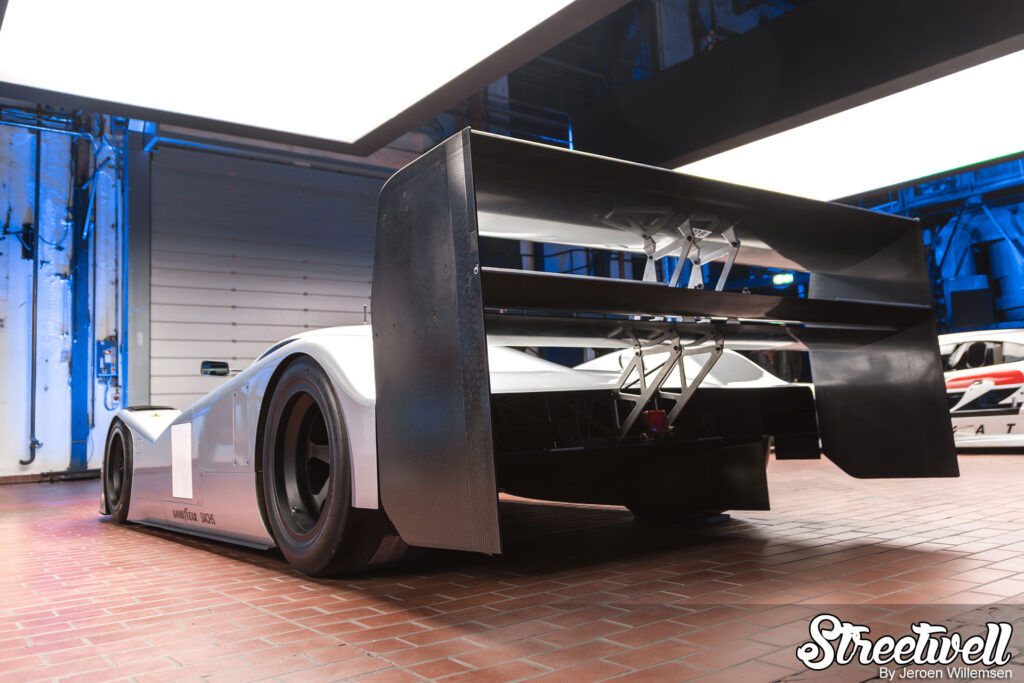
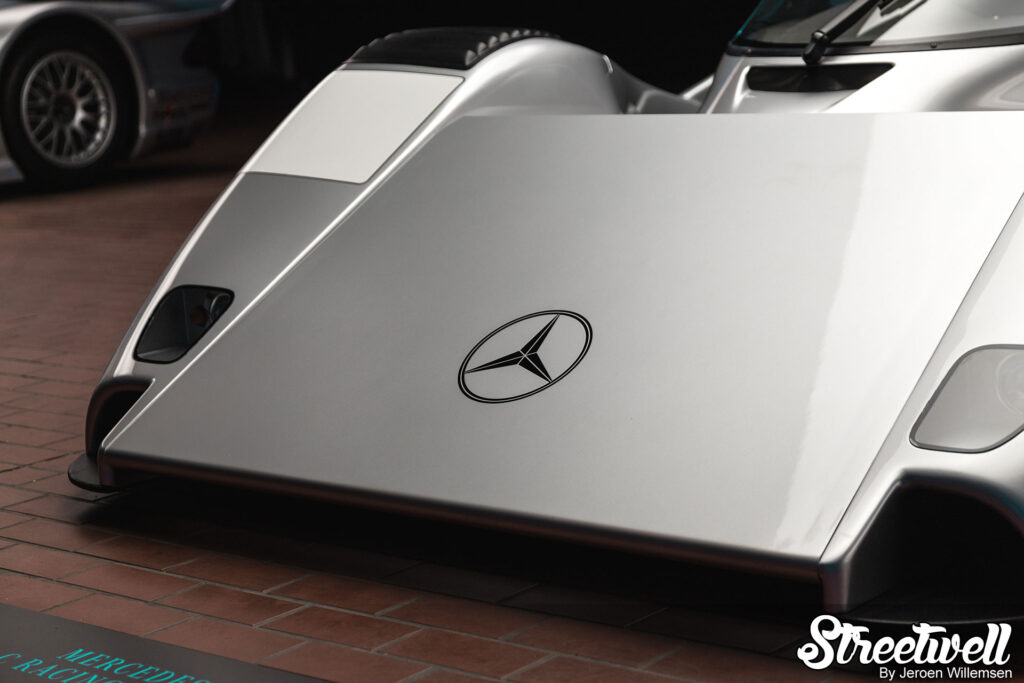
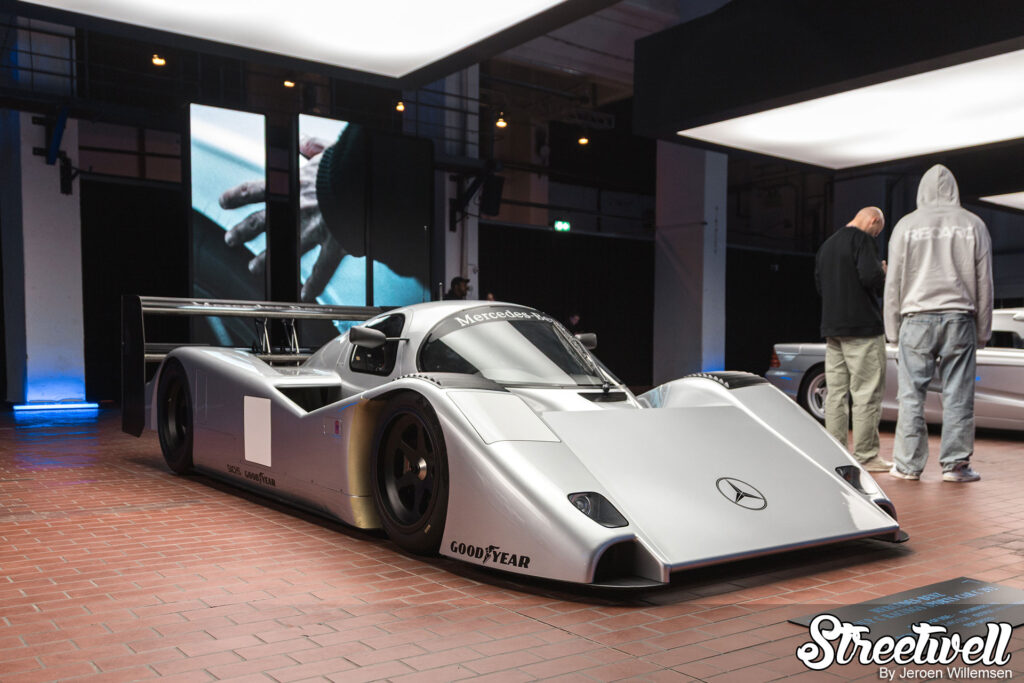
This is the Mercedes-Benz C292 from 1992. Mercedes‑Benz built the C292 together with Sauber after the C291 failed to have any success in the 1991 season. Because the Group C rules changed for the 1992 season, Mercedes-Benz started fresh. A new carbon‑fiber monocoque was developed. Weight dropped and the stiffness increased
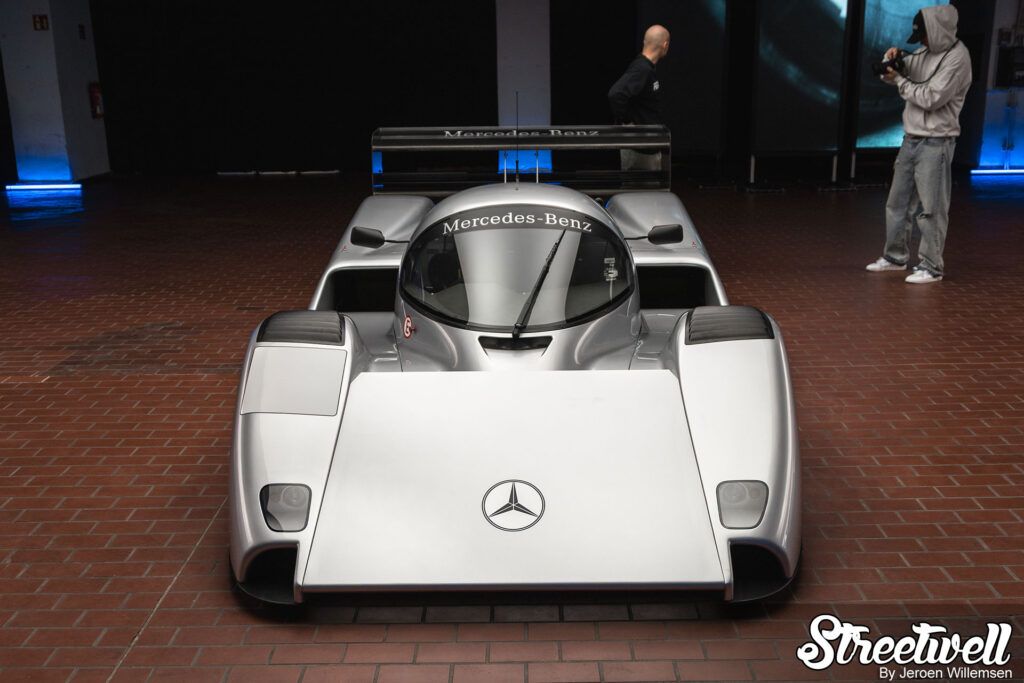
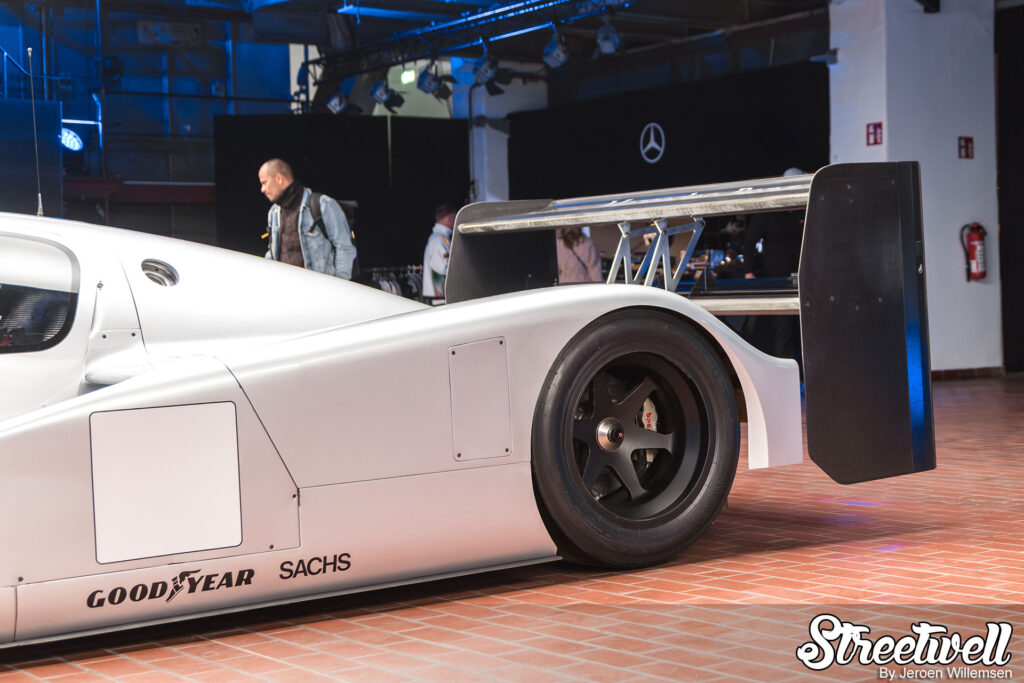
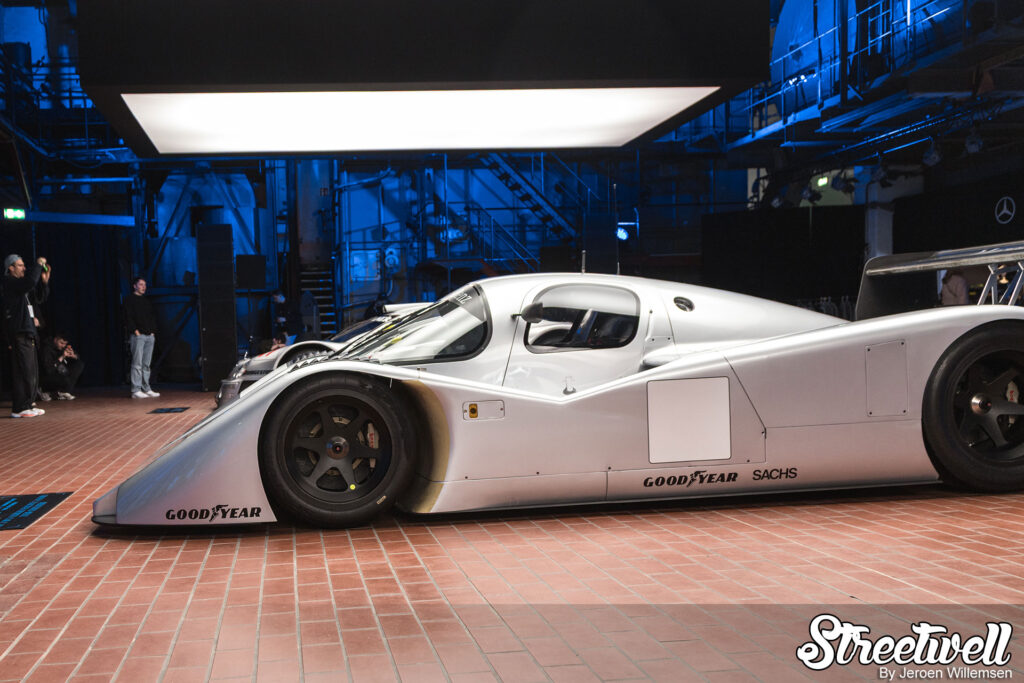
A nose like a snowplow shaped the airflow. While a large rear diffuser and gigantic wing added stability. Power came from the 3.5‑liter M291 V12. It produced up to 700 horsepower and it revved beyond 12,000 rpm. Testing showed real promise. But costs skyrocketed. At the same time, Group C collapsed because of those rising costs and the fans lost interest. As a result, the brand withdrew from sportscar racing before it could even race. Instead, Mercedes shifted its focus to Formula 1 in 1993 which offered a greater global exposure.
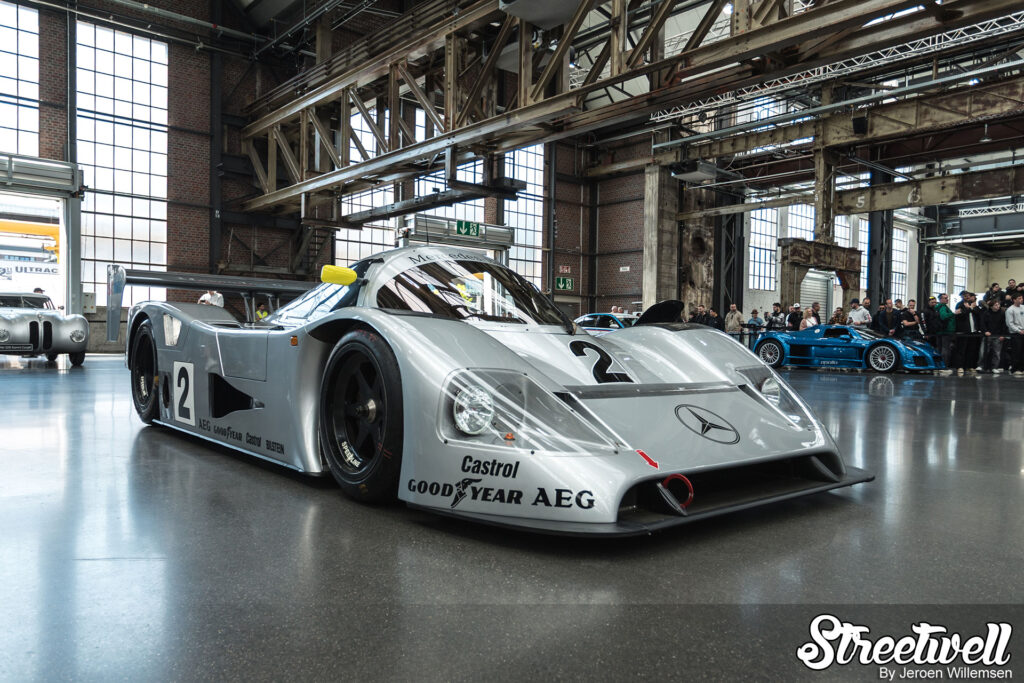
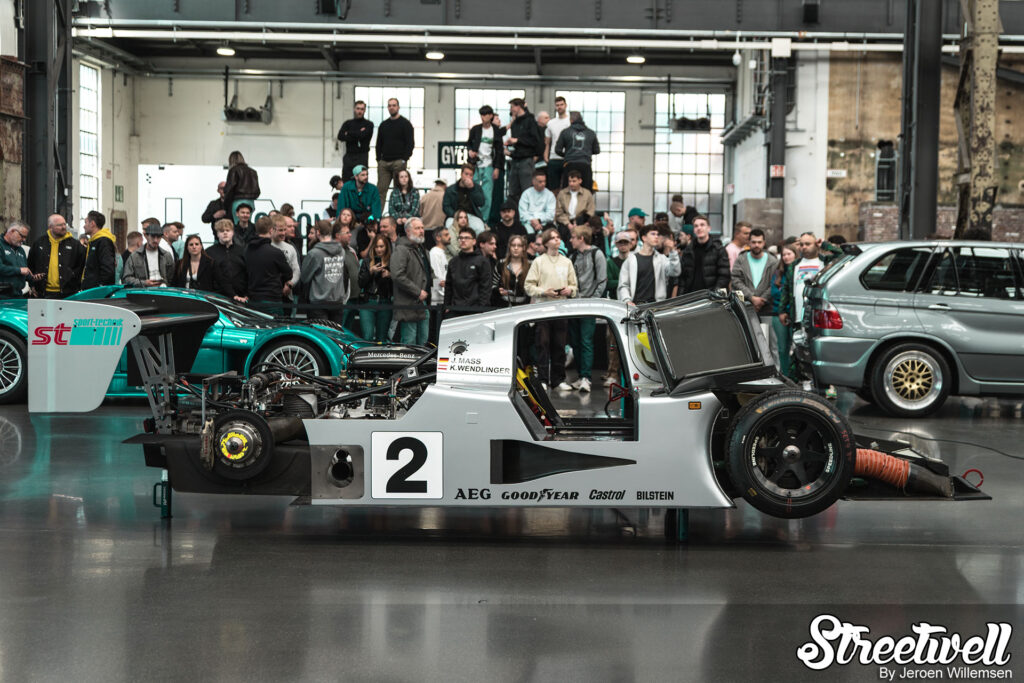

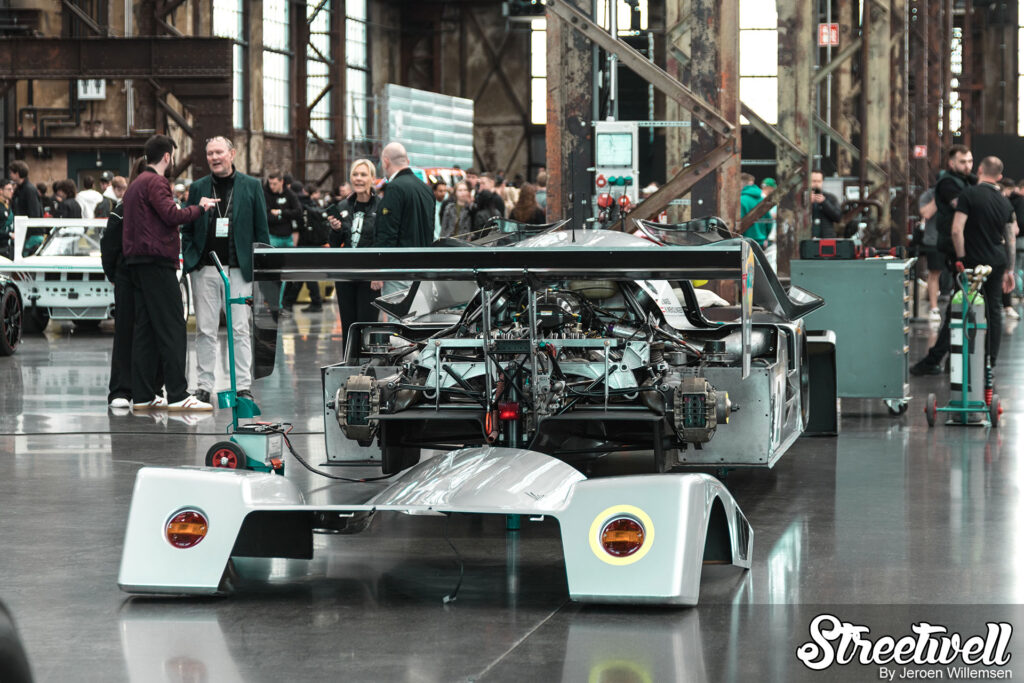
During the event I spotted several mechanics opening up this Sauber-Mercedes C11 from 1990. They were preparing to fire up the engine. This number 2 car was the Mercedes-Benz Group C entry driven by Jean‑Louis Schlesser and Mauro Baldi. Its 5.0‑liter twin‑turbo V8 helped Mercedes dominate the 1990 Championship.
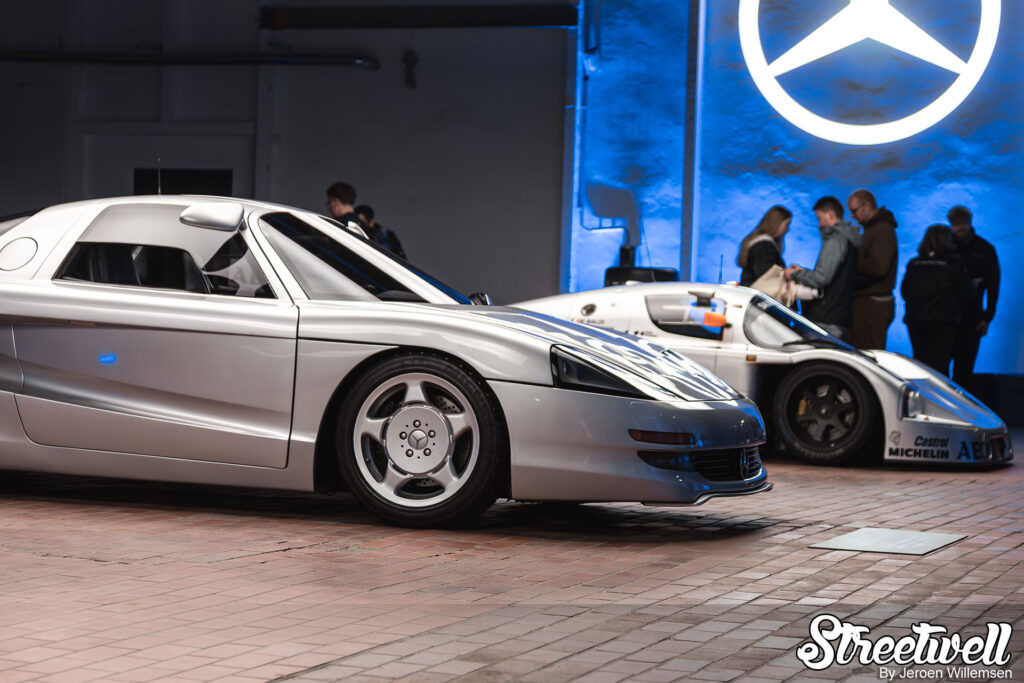
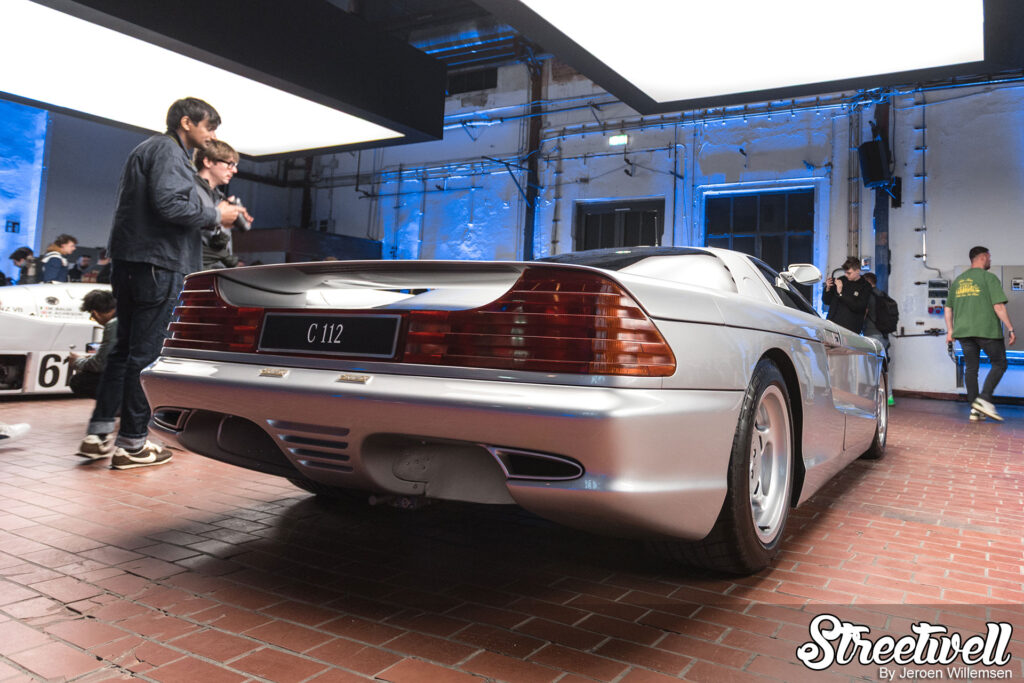
The odd one out was this Mercedes-Benz C112 from 1991. The C112 focused on technology. It introduced active aerodynamics and adjustable rear wings changed with speed. Therefore, stability improved without adding drag. Power came from a 6.0‑liter V12. It produced around 400 horsepower. However, Mercedes never planned production. Costs were too high and the complexity was too extreme.
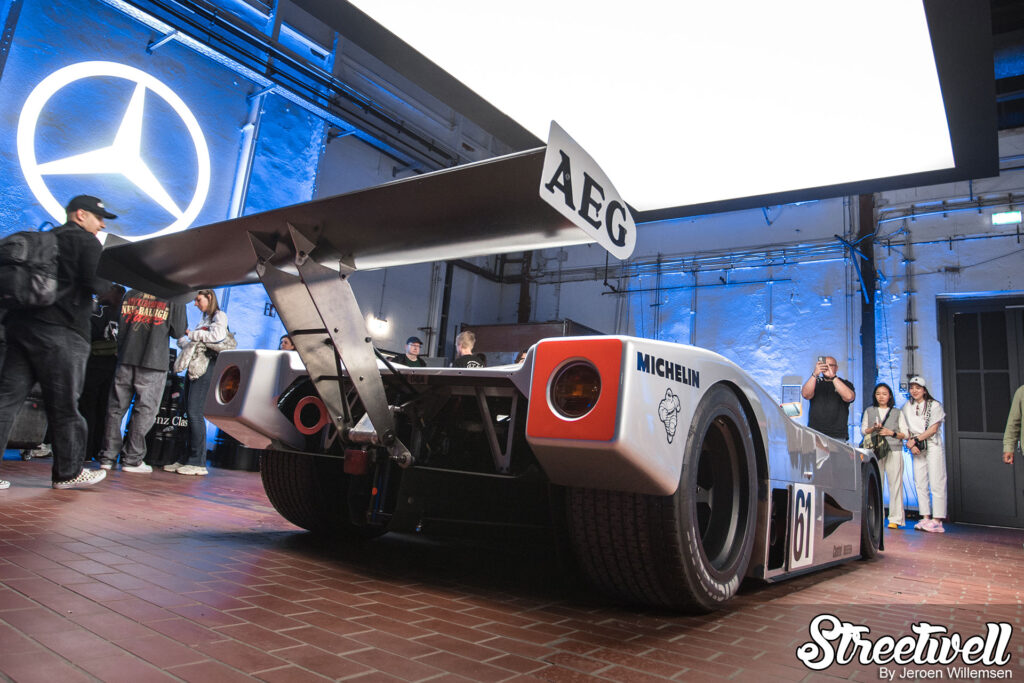
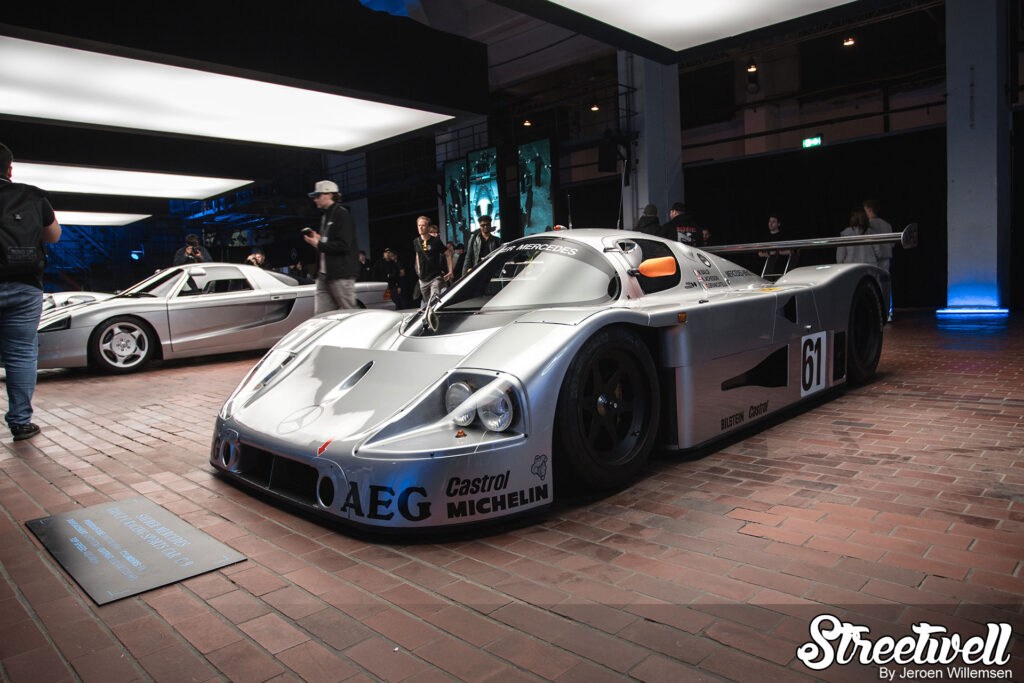
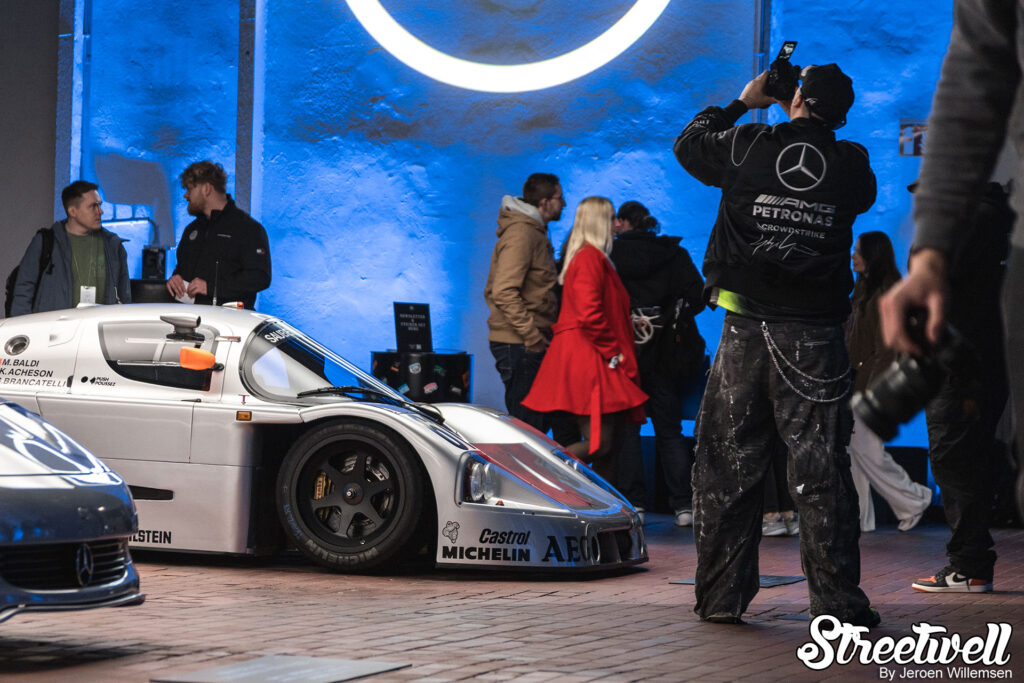
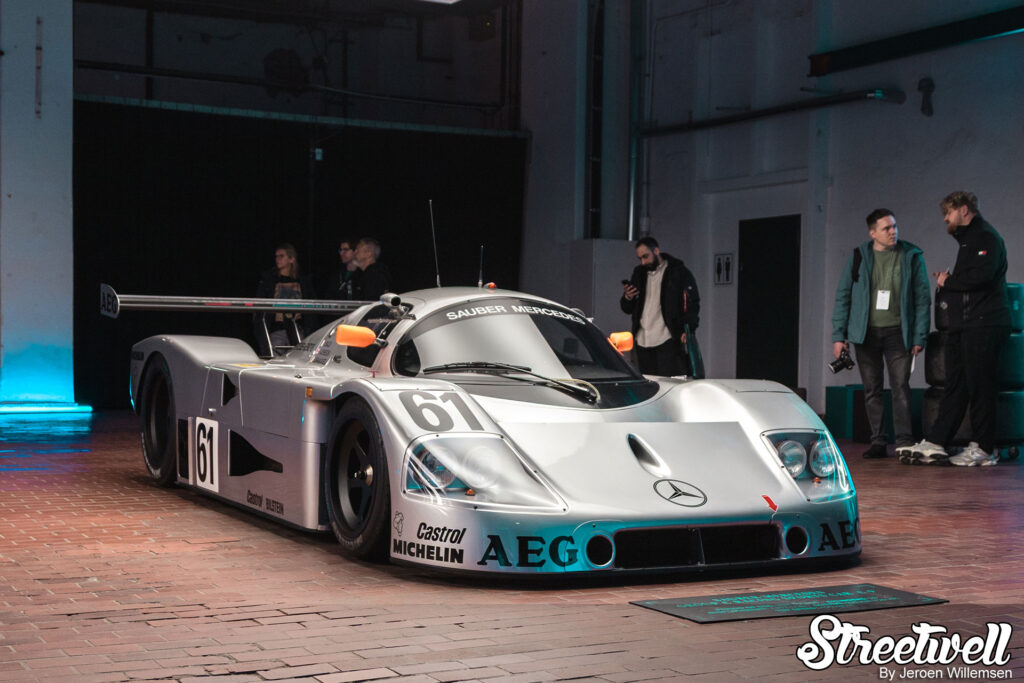
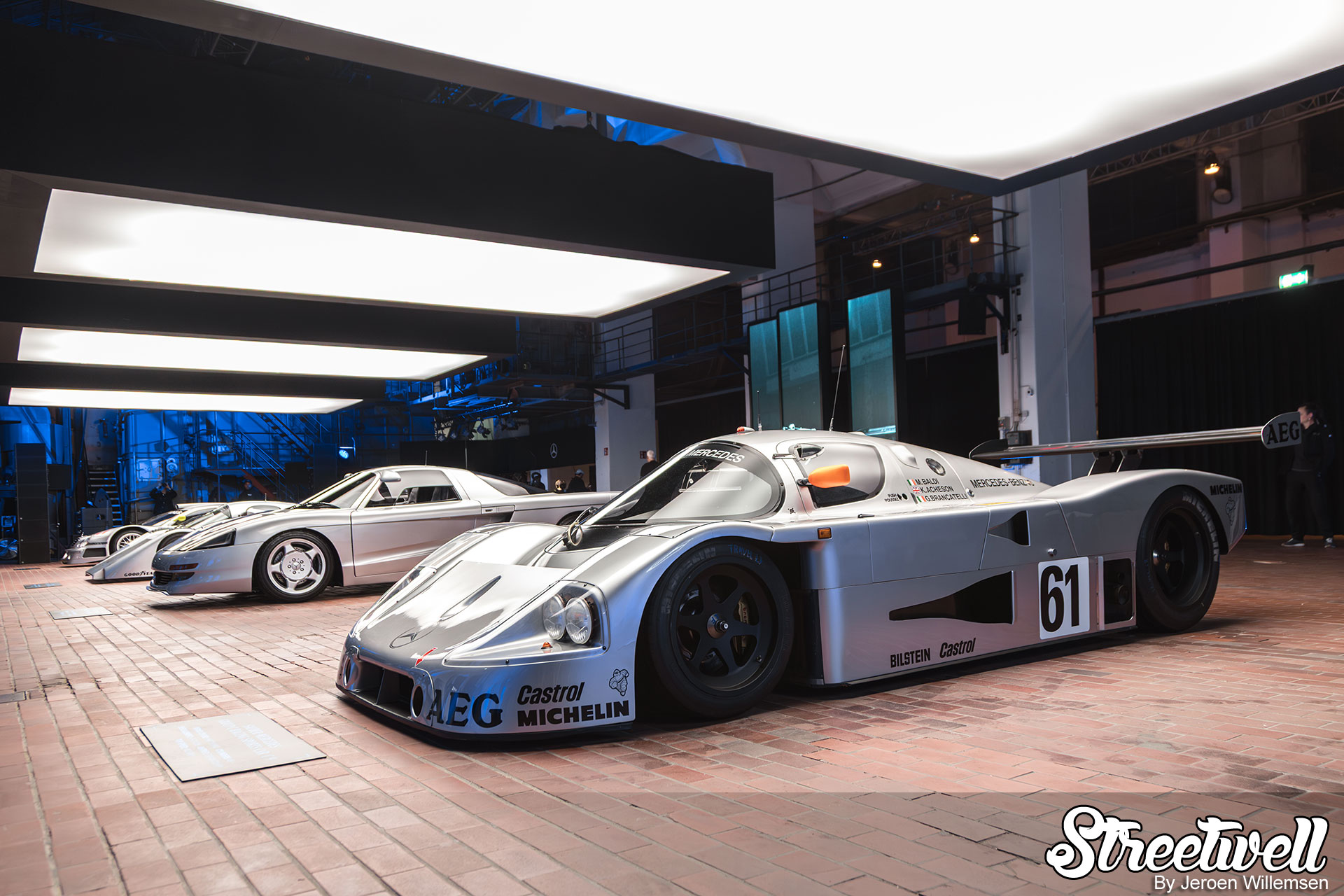
The best looking car present had to be this Sauber-Mercedes C9 wearing the number 61. This has to be one of the most important cars in Group C history. Mercedes-Benz entered the C9 in the 1989 season. At Le Mans this car made history with Jochen Mass, Manuel Reuter, and Stanley Dickens behind the wheel. They dominated the race and finished first overall. It marked Mercedes’ first Le Mans win since 1952.
Power came from a 5.0‑liter twin‑turbo V8. It produced over 700 horsepower. On the Mulsanne Straight, the C9 reached extreme speeds. Some runs exceeded 400 km/h thanks to its advanced ground‑effect aerodynamics.
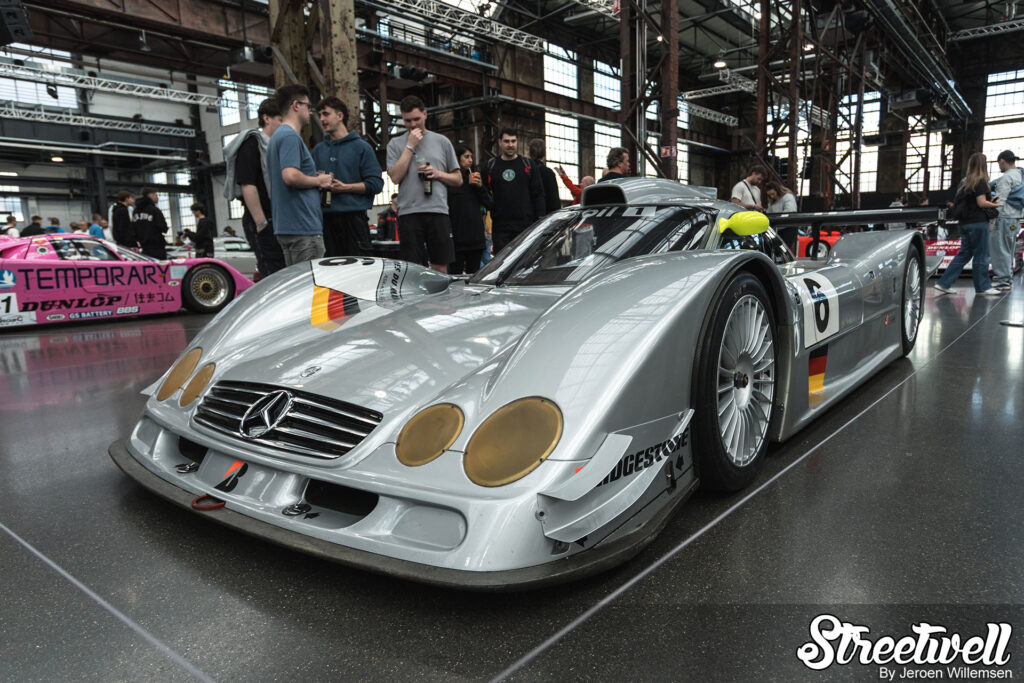
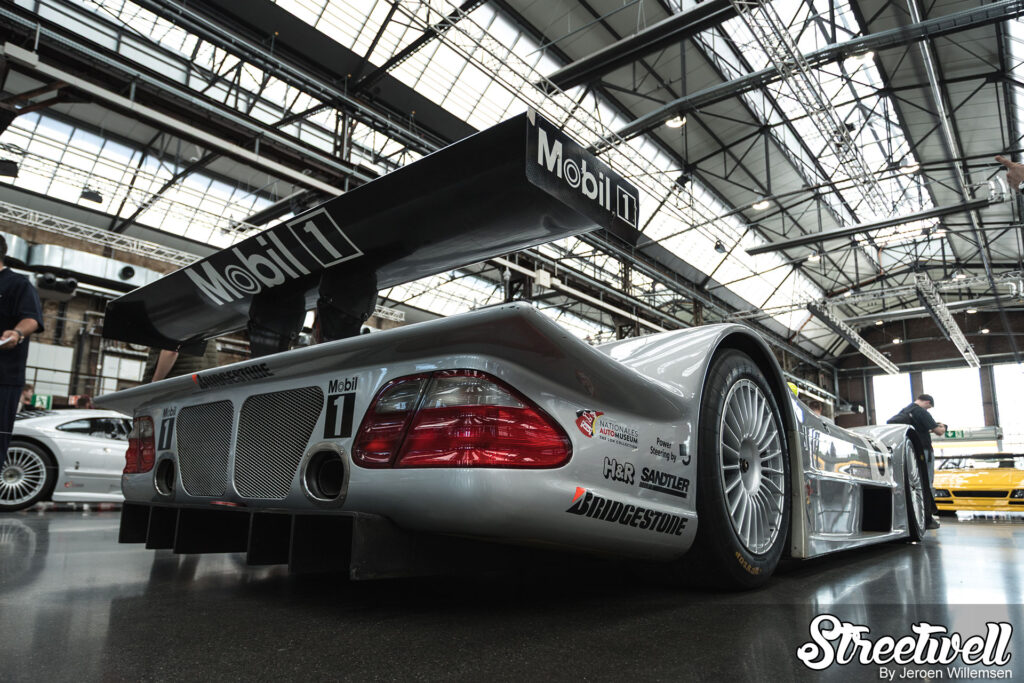
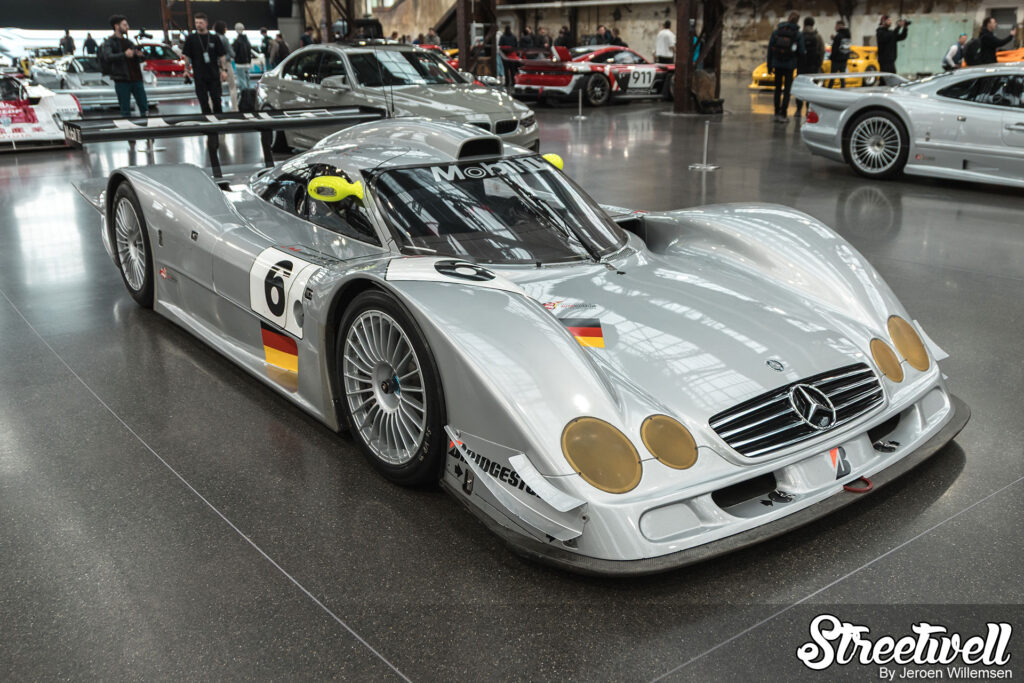
During my last visit to the LOH Collection in Germany, I was disappointed that I couldn’t get a proper look at the Mercedes-Benz CLR because it was tucked away inside a car elevator. So you can imagine my excitement when I spotted it on display at Ultrace, where it was on loan from the LOH Collection.
This is the sister car to the CLR driven by Peter Dumbreck during the infamous 1999 Le Mans accident, where the car went airborne at over 300 km/h and disappeared into the trees live on television. To the best of my knowledge, this is the only surviving Mercedes-Benz CLR. Mercedes-Benz immediately withdrew the car from the race following Dumbreck’s crash.
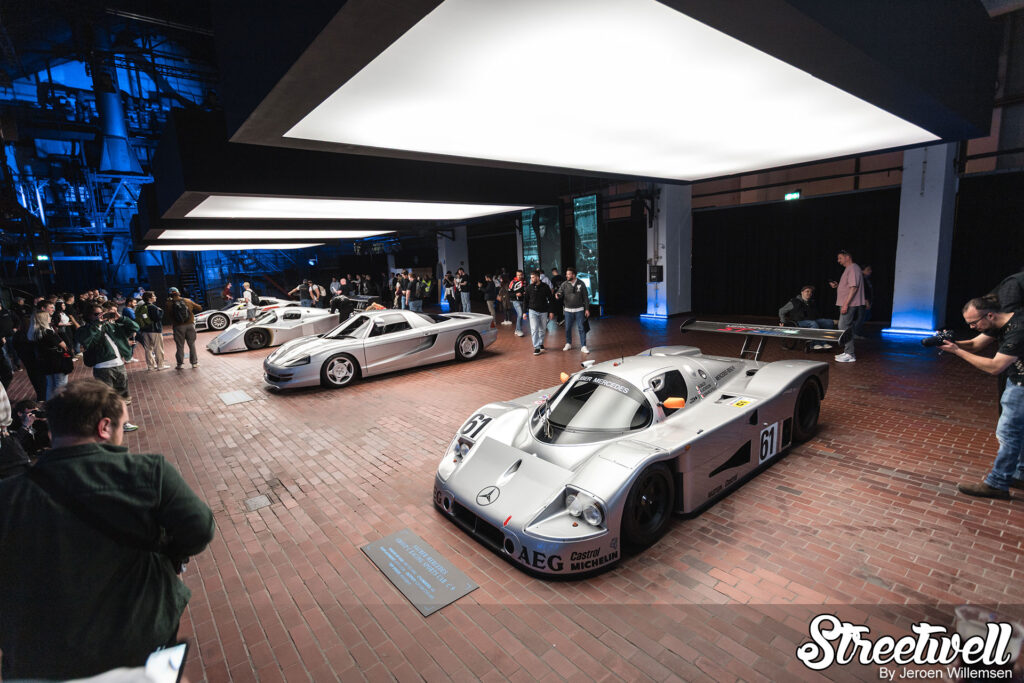
In the end it wasn’t about the cars, because I have seen all them before. But it was the presentation and seeing them paired together at Ultrace that made it special. The light boxes above the cars, the techno music through the speakers and the overall vibe is what made it unforgettable. Something you just can’t convey through pictures, you just had to be there.